When planning a home renovation, it’s important to choose upgrades that deliver long-term value—not just in terms of appearance, but also performance. One of the most essential yet overlooked factors is understanding energy ratings for windows and doors. These ratings can have a significant impact on your home’s comfort, energy efficiency, and heating costs over time. By learning what these ratings mean, you’ll be better equipped to make confident, informed decisions about your next installation.
Introduction to energy ratings
Energy ratings are essentially a performance guide that shows how well your windows and doors retain heat, prevent drafts, and help reduce energy consumption. They’re graded using a scale developed by the British Fenestration Rating Council (BFRC), helping homeowners compare the energy efficiency of different products, much like appliance ratings.
This knowledge is particularly crucial during a home renovation. Upgrading your windows or doors isn’t just about improving home aesthetics or security—it’s also a chance to make a meaningful difference to your energy performance and environmental impact.
Energy efficiency and its benefits
Energy-efficient upgrades are an investment in both your home and your future. Choosing high-performing windows and doors can lead to considerably lower heating costs. According to the Energy Saving Trust, modern, energy-efficient glazing can cut energy bills by up to 20–30%, depending on the property and original installations. That’s a big difference, especially with today’s fluctuating energy prices.
But the benefits go beyond cost savings. High-performance installations also help to reduce your carbon footprint, as using less energy for heating means fewer emissions from your home. Every step towards improved energy efficiency supports a more sustainable environment and contributes to lowering your home’s environmental impact.
Comfort is another major advantage. When your windows and doors offer solid thermal insulation, your home stays warmer in winter and cooler in summer. That means fewer drafts, more consistent indoor temperatures, and overall improved home comfort—especially noticeable in older properties or during harsh weather spells.
Breaking down the energy rating system
The energy efficiency of a window or door is measured using energy performance ratings. These ratings, as established by the BFRC, range from E (the least efficient) to A++ (the most efficient). They consider three main factors:
– U-value: A low U-value indicates better heat retention, reducing the amount of warmth that escapes through the material.
– Solar gain (G-value): This measures how much passive heat from the sun can be captured to warm your home naturally.
– Air leakage: Also known as air permeability, this reflects how much air can pass through the frame or glazing seals—a tight seal keeps your home more energy efficient.
Selecting windows and doors with a better energy rating from the outset ensures you’re investing in long-term performance. Products that deliver strong thermal insulation can last longer without compromising comfort or escalating energy use. Better-rated installations add to the overall value of your home, making them a sound investment if you ever plan to sell or rent your property.
Choosing energy-efficient windows and doors
With so many choices on the market, it’s helpful to understand the key materials and designs that influence energy performance. At Cathedral Windows, we work with products from renowned manufacturers like Veka, and Hallmark, offering trusted materials proven to perform.
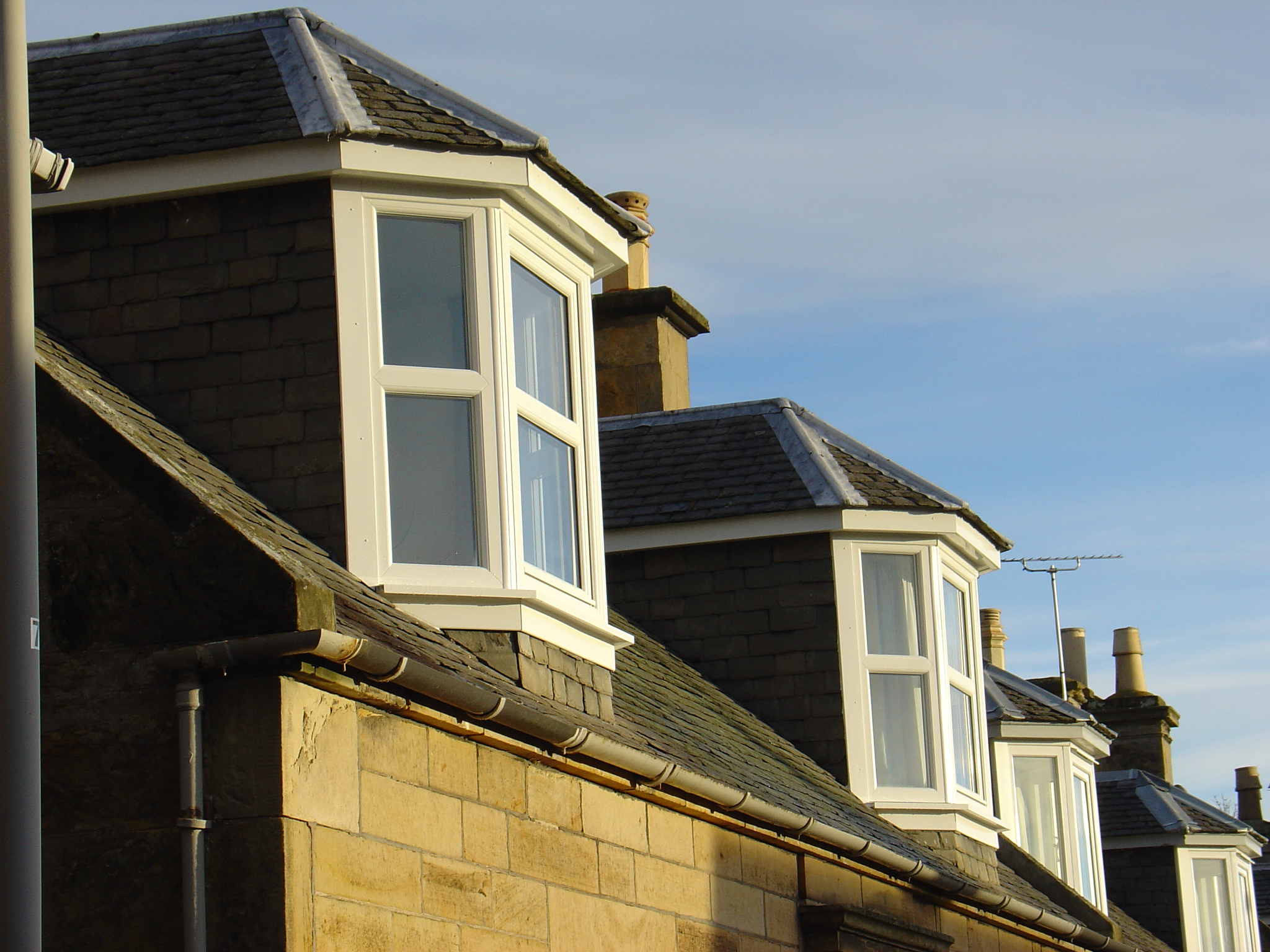
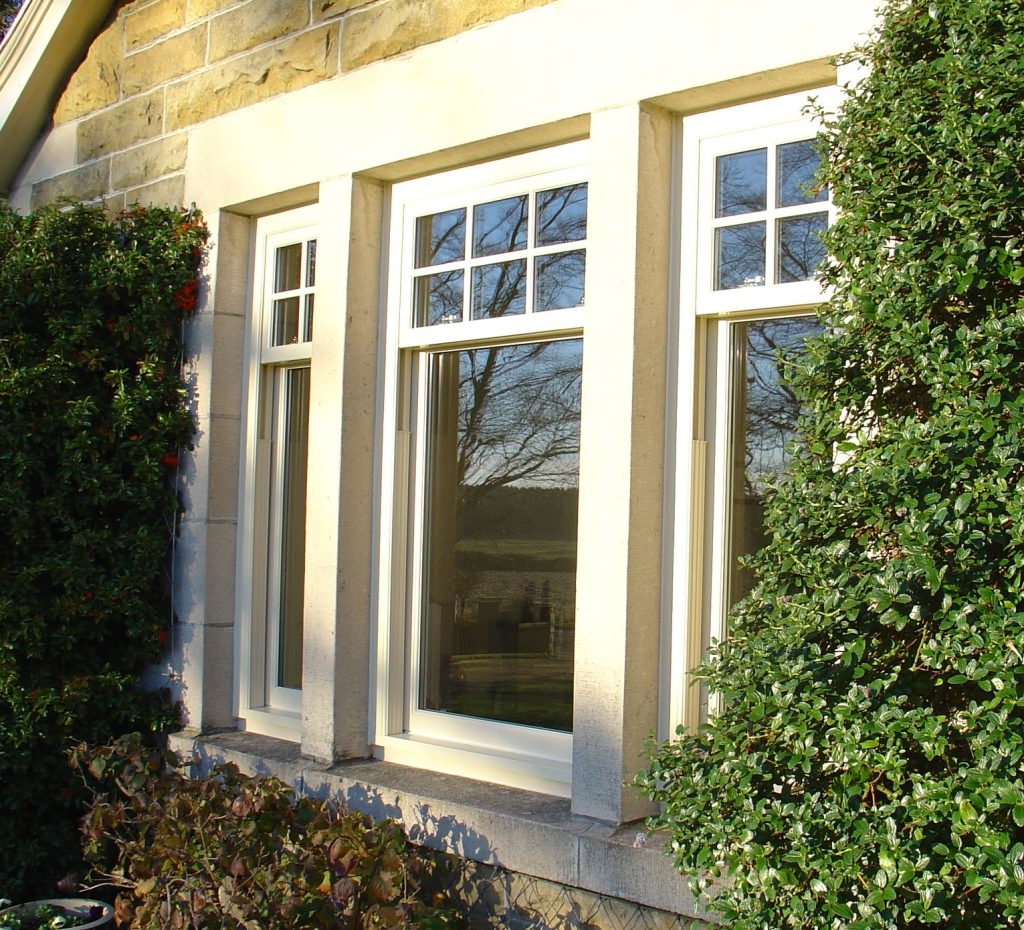
Modern uPVC windows, for example, are excellent at retaining heat, are incredibly low maintenance, and perform exceptionally well in Northern Scotland’s climate. For entrances, composite doors offer a robust and stylish solution, combining dense core insulation with durable exteriors. Many of our composite doors also feature Kingspan insulation—a recognised name in high-performance thermal technology.
Glazing plays a critical role as well. Double or triple glazing improves thermal insulation, and different glazing options allow you to control how much solar gain your home receives. The frame design is another rated component—a well-designed frame enhances sill tightness and overall performance.
Of course, energy efficiency doesn’t mean you have to compromise on style. Our range of fully customisable options means you can choose colours, finishes, and designs that align with your property style. Whether your home is period, modern, or somewhere in between, we’ll help you match efficiency with visual appeal.
Conclusion
At the end of the day, energy ratings for windows and doors aren’t just about numbers on a label—they’re a vital part of creating a more comfortable, sustainable, and cost-effective home. From reducing heating costs to enhancing your property value and minimising your carbon footprint, the advantages speak for themselves.
Shouldn’t your home be as comfortable and efficient as it is beautiful? With expert support, bespoke designs, and quality products backed by over 30 years of experience, Cathedral Windows is here to help you make the right choice.
Looking to upgrade your home? Get in touch with us online or visit us in Elgin to explore your options and enjoy friendly, expert guidance from a trusted name in home renovation since 1993.